

Need a quick answer?
A screened porch protects you from bugs, rain, and harsh sun, while an open deck gives you a lower upfront cost, open views, and a true outdoor feel. For many Ohio homeowners weighing a screened porch vs deck, the better choice depends on how often mosquitoes, summer storms, snow, and shade affect the way they use their backyard.
Choosing between a screened porch and an open deck matters because the decision affects how you use your house and how much upkeep you will do. Hen-House Decks builds outdoor spaces that shape daily life and resale value, so the right choice should match use, climate, and budget.
The screened porch vs deck debate is common among homeowners because both options seem similar, but there are differences. This article helps you see which option fits your home so you can move forward with confidence.
What Are the Practical Differences Between a Screened Porch and an Open Deck?

A screened porch is an enclosed outdoor room with screens and often a roof, while an open deck is a flat platform exposed to the sky. Each option suits different activities and seasons, and the differences affect maintenance and comfort.
- Protection From Insects: Screens keep bugs out so you can use the space in the evenings without repellent. This helps families enjoy meals, games, or relaxing without worrying about bites.
- Weather Shielding: A screened porch usually has a solid roof that blocks rain and reduces direct sun. That makes the space more comfortable on hot days and keeps furniture drier during storms.
- Open-Air Feel: An open deck delivers direct sunlight and an unobstructed view of the yard or sky. This feel works well for grilling, sunbathing, or creating a casual hangout that blends into the yard.
- Future Upgrades: A screened porch is easier to upgrade when the design allows for windows, storm panels, heaters, fans, lighting, and outlets from the start. Planning these details early helps the porch grow from a simple screened space into a more comfortable three-season room.
Homeowner Insight: Picture how you want to spend most evenings, then pick the option that best supports that routine.
Which Option Costs More to Build and What Drives Price?
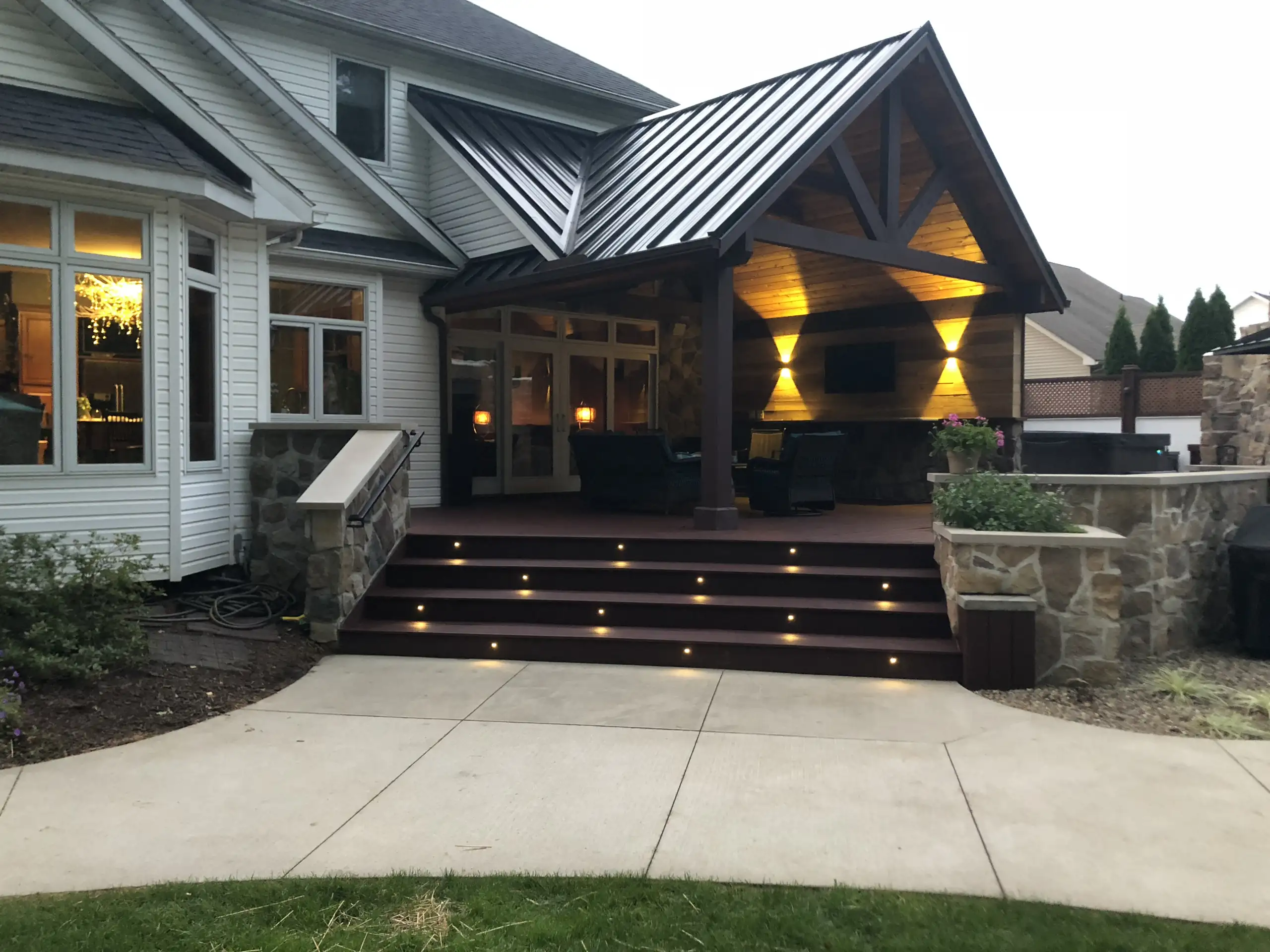
Build cost depends on the scope rather than the label, screened porch vs deck, so either can be more expensive based on features. Key cost drivers include materials, foundation work, roof and enclosure choices, and any electrical or HVAC work.
- Materials Selection: Composite decking, heavy-duty screens, and upgraded railings raise material costs compared with basic wood decking. These choices also affect how often you need to stain, seal, or clean the space.
- Structural Requirements: Because a screened porch adds roof weight, wind resistance, and sometimes electrical work, the existing deck frame and footings often need inspection before conversion.
- Finish Work: Adding lighting, ceiling fans, or outlets for a screened porch increases electrical work and permit needs. Those comforts add up on the invoice but often make the space more usable.
- Design Complexity: Built-in seating, railings, privacy screens, or integrated storage raise labor time and overall price for both decks and screened porches. These upgrades often show up in custom decks that a deck builder designs around specific family needs.
Cost Consideration: Ask each contractor to explain how design choices, roofing, and utilities change your final price.
Which Option Is Better for My Home’s Use and Climate?
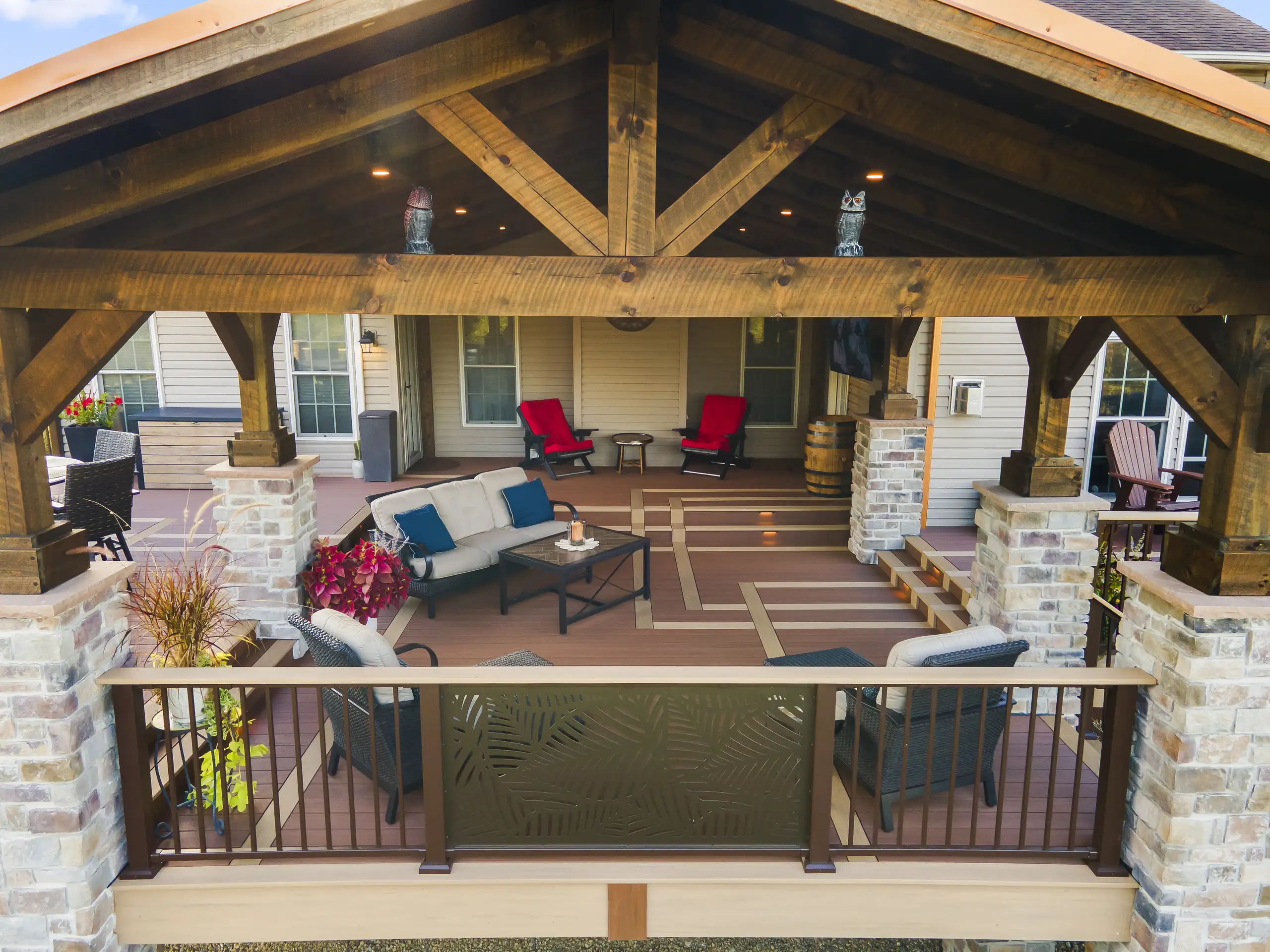
The better option depends on how you plan to use the space and on local climate conditions that affect comfort and durability. Think about how often you will use the area, what months you want access, and whether insects or heavy precipitation are regular issues.
- High-Insect Areas: If bugs limit outdoor time where you live, a screened porch provides immediate, recurring value. That makes it a strong fit for evening dining and for sitting outside during more months of the year.
- Wet or Snowy Climates: A covered screened porch sheds water and snow better than an open deck, reducing direct exposure on the surface. Good drainage and the right materials still matter for keeping any structure safe and solid over time.
- Sun and Views: If unobstructed views and sunlight are the priority, an open deck preserves sightlines and solar access. You can add shade later with umbrellas, shade sails, or a pergola if the sun feels too strong.
- Year-Round Use: A screened porch with options for storm panels, heaters, or ceiling fans functions more like a three-season or near year-round room than an open deck. Discuss these possibilities with a screened porch builder early if that kind of flexible space is important to you.
Planning Tip: Write down your must-have activities for the space before you speak with a builder or designer.
Screened Porch vs Deck
Screened porch vs deck decisions usually come down to comfort, exposure, budget, and how often you want to use the space. An open deck works well when you want sun, views, and a lower-cost outdoor platform. A screened porch makes more sense when insects, rain, shade, and longer seasonal use matter more. Hen-House Decks can inspect your space, compare both options, and design a structure that fits your home, yard, and budget.
Screened Porch vs Deck FAQs
Do I need permits for a screened porch or an open deck?
Permit requirements vary by city and depend on square footage, roof additions, and electrical work. Contact your local building department and your contractor early to confirm required permits.
How much maintenance do screened porches require compared with decks?
Maintenance differs by material and exposure: open decks need regular cleaning and sealing for wood, while screened porches require screen care and occasional roof checks. Choosing low-maintenance materials reduces ongoing work.
Can I convert an existing deck into a screened porch?
Many decks can be converted if the structure and footings support added roof and framing loads. A structural assessment is the first step to determine feasibility and cost drivers.
What should I ask a screened porch builder or deck builder before hiring?
Ask about local experience, references, the materials they recommend, and how they handle permits and inspections. Clear answers to these questions reduce surprises and help you compare proposals fairly.